How to Select the Ideal Sliding Doors for Your Home Renovation
Picking the optimal sliding doors for a home renovation necessitates careful consideration of various factors. Space utilization, material selection, and design style all play important roles in achieving a cohesive look. Additionally, the size and functionality of the doors must align with the home's layout. With so many options available, it’s important to understand how each choice impacts both aesthetics and practicality. What steps should one take to guarantee a successful selection?

Why Pick Sliding Doors for Enhanced Space Management?
When considering home improvements, many homeowners learn that sliding doors offer remarkable space efficiency benefits. Unlike traditional copyrightd doors, sliding doors operate on a track, allowing for fluid changes between spaces without requiring additional clearance. This feature makes them particularly advantageous in smaller areas, where every inch counts.
In addition, pocket doors can refine the visual charm of a home by cultivating a sense of openness and uninterrupted flow. They typically showcase large glass panels that introduce natural light, producing rooms that seem more expansive and inviting.
Moreover, sliding doors can be adjusted to suit various architectural styles, further advancing their utility. Their versatility allows homeowners to incorporate them into both interior and exterior spaces, such as patios or living rooms, maximizing functionality. Ultimately, the option to install sliding doors can greatly enhance space efficiency while bringing a modern touch to home interiors.
Choosing the Right Material for Your Sliding Doors: A Full Guide
When establishing your glass door sliding material, the selection process serves as critical for both look and feel. An inspection of standard materials uncovers their notable characteristics, while evaluation of wear-resistance and maintenance help guarantee satisfying results over time. Recognizing these points can educate residents in reaching an informed conclusion that fits with their home improvement aims.
Popular Materials Summary
Choosing the appropriate material for sliding doors is vital in both functionality and aesthetics. Homeowners typically select from several materials, each offering one-of-a-kind benefits. Wood gives a elegant, cozy look, often preferred for its natural beauty and design adaptability. Aluminum is contemporary and light, celebrated for its durability against rust and a sleek finish. Vinyl is an cost-effective solution, presenting excellent insulation and low maintenance, while fiberglass blends durability with a wood-like appearance. Glass, particularly in large panels, gives maximum light and visual connection with outdoor views, enhancing the overall ambiance. Each selection of material should correspond to the homeowner's taste, cost parameters, and functional requirements, guaranteeing a flawless fit for the remodeling undertaking.
Durability And Maintenance Factors
Assessing the durability and care needs is vital for homeowners thinking about sliding doors. Different materials come with their own pros and drawbacks. For example, wood offers a pleasing aesthetic but needs frequent sealing and refinishing to avoid warping. Aluminum is, conversely, lightweight and rust-resistant, requiring little upkeep. Vinyl strikes a balance between cost-effectiveness and durability, offering resistance to fading and cracking. Homeowners should also factor in the climate; those living near the coast might prefer materials that handle salty air well. Furthermore, choosing doors with durable hardware can improve lifespan. Routine cleaning and inspections will help extend the life of sliding doors, keeping them both functional and attractive. In the end, selecting the right material fits both lifestyle and long-term maintenance objectives.
Pick the Suitable Design Style for Your Sliding Doors
What is the right way to identify the most suitable look for sliding doors during a house remodel? First, it is necessary to analyze the residence's general appearance. Modern, understated styles typically favor clean, frameless designs, whereas heritage homes may benefit from elaborate framing paired with wood features.
Next, think about the surroundings where the doors will be placed. For instance, coastal homes might lean towards glass or light wood options that enhance natural light, while urban settings could choose industrial metals for a modern feel.
Furthermore, positioning the glass panels with present structural features can develop a harmonious aesthetic. Aspects such as color selections, materials, and fittings should coordinate with the nearby design.
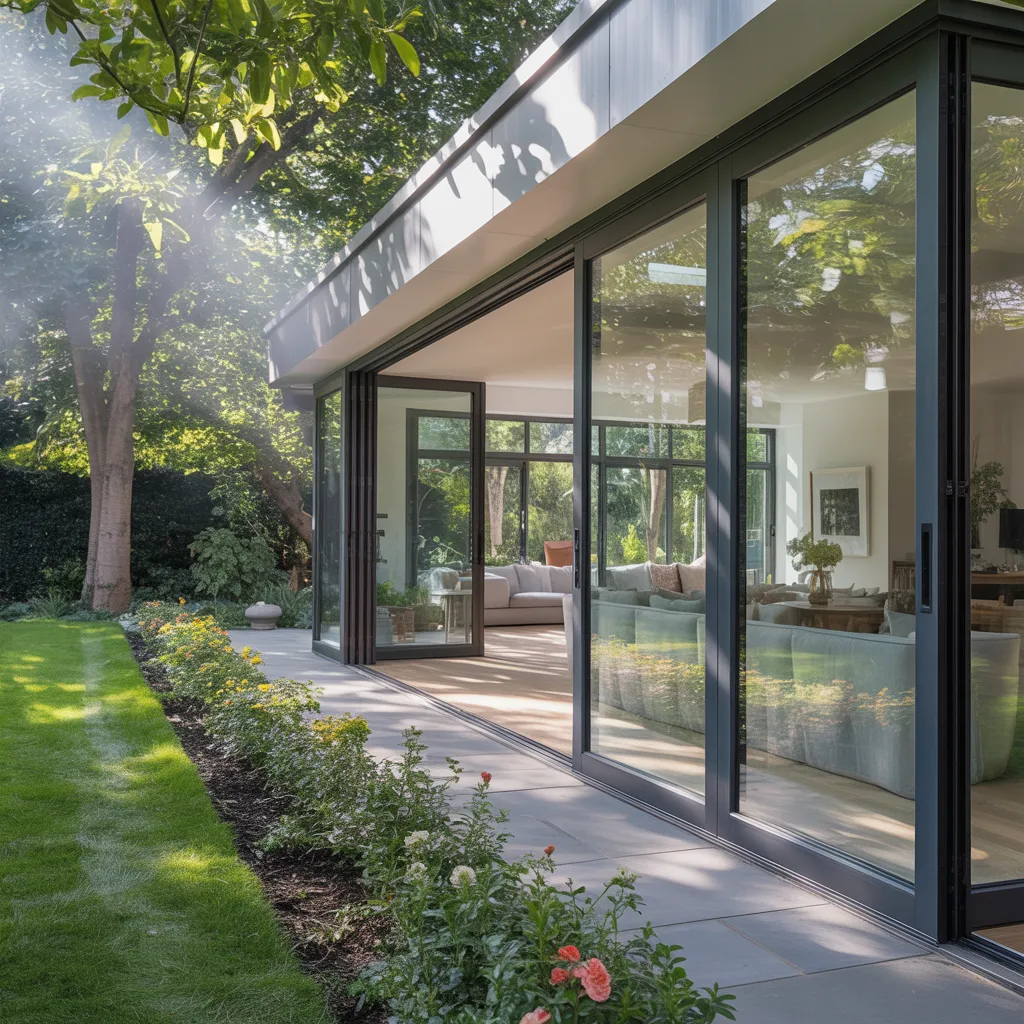
In the final analysis, selecting the right design style ensures that sliding doors not only access this information serve a functional purpose but also augment the home's aesthetic appeal, contributing to a cohesive living space.
Choosing the Right Size for Your Sliding Doors
When selecting sliding door units, precise dimensions of the available space are crucial to ensure a correct fit. Moreover, the dimensions of the doorway should be considered to maintain functionality and balance. Aesthetic appeal also is important, as the size of the doors can affect the overall look of the room.
Assess Your Space Accurately
Precise measurements are vital for guaranteeing that glass doors integrate smoothly within a home's current structure. Homeowners should start by measuring the dimensions of the intended doorway, noting any obstacles such as molding or light fixtures. It is vital to account for the door track, which requires additional space both above and below the door. Additionally, assessing the area next to the door frame assists in identifying the dimensions of the sliding door system needed. Using a spirit level during assessments can prevent errors caused by uneven surfaces. Homeowners may gain advantages by consulting with a expert for precise dimensions, guaranteeing that the chosen sliding doors improve the visual appeal and performance of the home.
Think about Doorway Proportions
After confirming accurate dimensions, homeowners must consider the proportions of the doorway when choosing glass doors. The size of the doors should match the proportions of the entrance, improving both functionality and aesthetics. A doorway that is too small can create a confined feeling, while large doors may dominate the space. It is crucial to preserve a balance, making sure that the doors do not obstruct pathways or conflict with furniture placement. Additionally, the elevation of the glass doors should match with the ceiling to produce a unified appearance. Property owners should also account for the general size of the room, allowing the doors to function as a centerpiece without overwhelming the entire area. Proper proportions ultimately lead to a harmonious design.
Factor in Visual Appeal
Aesthetic appeal plays an important role in selecting the right size for sliding doors during a home renovation. Homeowners should consider how the dimensions of the doors will complement existing architectural features and design elements. For instance, larger sliding doors can create a bold focal point, improving the visual flow between indoor and outdoor spaces. Conversely, smaller doors may offer a more subtle integration, especially in cozy areas. Additionally, the choice of materials and finishes should match with the overall decor style, whether modern, traditional, or eclectic. Ultimately, the right size not only contributes to functionality but also boosts the home’s aesthetic, creating a harmonious balance that reflects the homeowner's personal taste.
Tips for Improving Functionality in Your Sliding Door Area
Enhancing performance in a sliding door space involves strategic planning and thoughtful design. First, assess the door's location to confirm unobstructed accessibility and easy circulation. A aptly placed sliding door can boost movement between rooms or to outdoor areas, reducing obstruction in narrow spaces.
Determining the appropriate proportion is paramount; extra-large doors can form a remarkable center of attention while still enabling ample light and perspective. Additionally, selecting sliding doors with multiple sections can offer adaptability, allowing more expansive openings when preferred.
Positioning built-in storage or seating next to the sliding door can utilize space effectively, establishing an area that is practical and welcoming.
Finally, choosing hardware that matches the door style while guaranteeing ease of operation will elevate the overall user experience. By carefully assessing these elements, homeowners can create a practical and aesthetically pleasing sliding door space that meets their needs.
How Much Should You Budget for Sliding Doors?
What budget should homeowners realistically allocate for sliding glass installations? The budget for sliding doors can vary based on material types, size, and design elements. On average, homeowners can expect to budget between $500 to $2,500 per door. Standard vinyl or aluminum models are typically less costly, while custom wood or luxury models can drive prices up.
Installation fees also impact the financial plan, often ranging from $200 to $1,000, contingent on the degree of complexity and labor rates. Homeowners should evaluate additional costs including hardware, finishes, and any necessary structural modifications.
Ultimately, it's vital to assess the overall remodeling costs and focus expenditures on premium products that improve both aesthetics and functionality. Exploring various designs and consulting with professionals can assist with informed choices while staying within budget. By reviewing needs and exploring various options, homeowners can discover sliding doors that match both their preferences and budget constraints.
Frequently Common Questions
Can Sliding Glass Panels Better Household Energy Performance?
Sliding doors can greatly boost home energy performance by offering better insulation and natural light. High-quality models with energy-efficient glass panes reduce heat loss, lowering cooling and heating expenses while enhancing overall comfort in living spaces.
What Service Do Sliding Doors Call For Over Time?
Sliding doors require consistent care, involving track cleaning, lubricating the rollers, and inspecting seals. Over time, homeowners should also monitor for any signs of wear or damage to preserve maximum performance and extended durability of the doors.
Do Glass Doors Present Safety Risks in Residences Containing Pets?
Sliding doors can be secure for homes with animals, provided that they are designed with pet-friendly features. Options include tempered glass, strong locks, and polished tracks to avoid mishaps and promise pets' safety.
What Steps Should I Take to Secure Privacy With Sliding Doors?
To guarantee seclusion with sliding doors, one can employ curtains, blinds, or frosted glass. Additionally, carefully positioned landscaping or screens can strengthen privacy, allowing homeowners to experience natural light while maintaining their desired level of privacy.
What Are the Most Effective Security Systems for Sliding Doors?
The top security systems for sliding doors include multi-point locks, keyed locks, and foot locks. These options strengthen security and deliver peace of mind, guaranteeing that the doors remain tightly sealed and tough to breach.